
2725 Westinghouse Blvd #300 Charlotte, NC 28273
Call or Text to Schedule
(980) 480-8820

Get A Quote
In 5 MINUTES OR LESS
EXCEPTIONAL SERVICE - TOP TIER QUALITY
Get An Instant Quote Or Schedule Service:
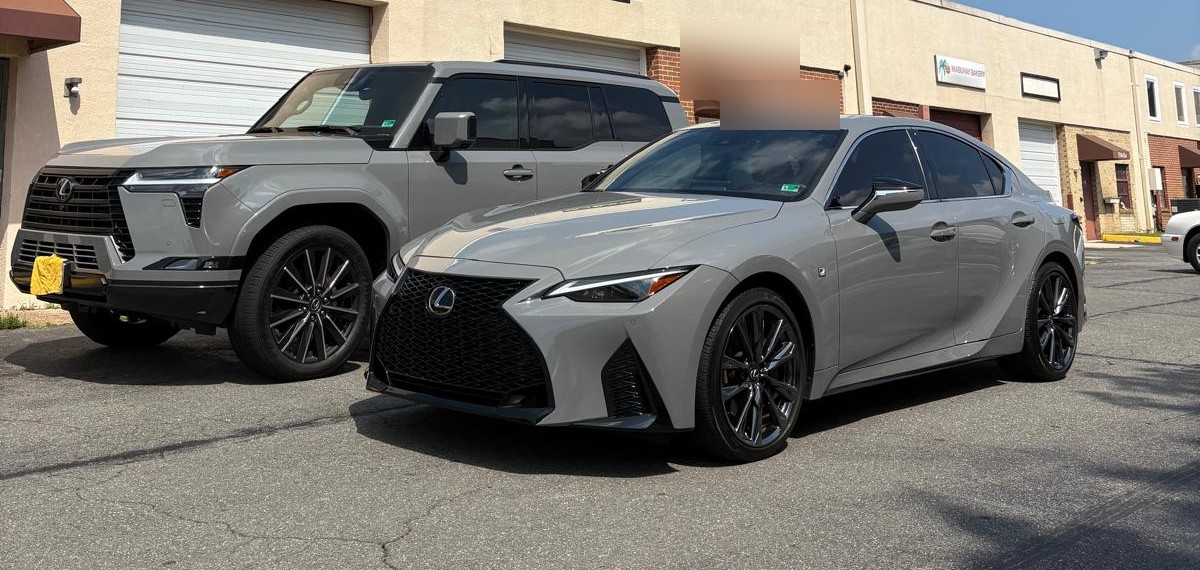
Does Window Tint Really Keep Your Car Cooler in Charlotte?
Yes, and by more than most people expect, but only if the film is chosen for heat and not for looks. A car parked in the open in Charlotte from nine to five in late September still hits 120 to 140 degrees inside. Good film does not make that car cold. What it does is cut the heat coming through the glass by half or more, so the cabin peaks 15 to 25 degrees lower, the steering wheel is touchable, and the air conditioning catches up in minutes instead of miles. The rest of this post explains where the heat comes from, why a dark window is not automatically a cool one, and which film is worth the money for a car that lives outside in this city.
The short version: ceramic window tint is what we install on most cars that park outside in Charlotte, because it rejects heat at a legal shade. Cheaper dyed film at the same shade looks the same from the sidewalk and does a fraction of the work.
Where the Heat in a Parked Car Comes From
Sunlight arrives in three parts. Visible light is what you see. Ultraviolet is the part that fades the dash and cracks leather. Infrared is the part you feel as heat, and it is a little over half of the energy hitting the glass. A window film has a separate number for each of them, and the number on the box, 35% or 20% or 5%, only describes visible light. It says nothing about infrared.
That is why two cars with the same shade can behave completely differently in the SouthPark Mall lot. A dyed 20% film absorbs visible light and looks dark, then re-radiates most of the heat into the cabin. A ceramic 35% film lets more light through and still blocks 80% or more of the infrared, so the lighter car is the cooler one. When people say tint did nothing for the heat, they almost always had dyed film.
Why the dark factory glass on your SUV does not count
The rear windows on most SUVs and trucks come dark from the factory. That is tinted glass, not film, and it is made to block light for privacy. It has almost no infrared rejection. A black SUV with factory privacy glass parked on Fairview Rd gets exactly as hot in the back as a car with clear glass would. This is the most common surprise we explain at the counter, and it is why SUV window tint in Charlotte usually means ceramic on the two clear front doors plus a light ceramic layer over the factory rear glass, not just matching the fronts to the back.
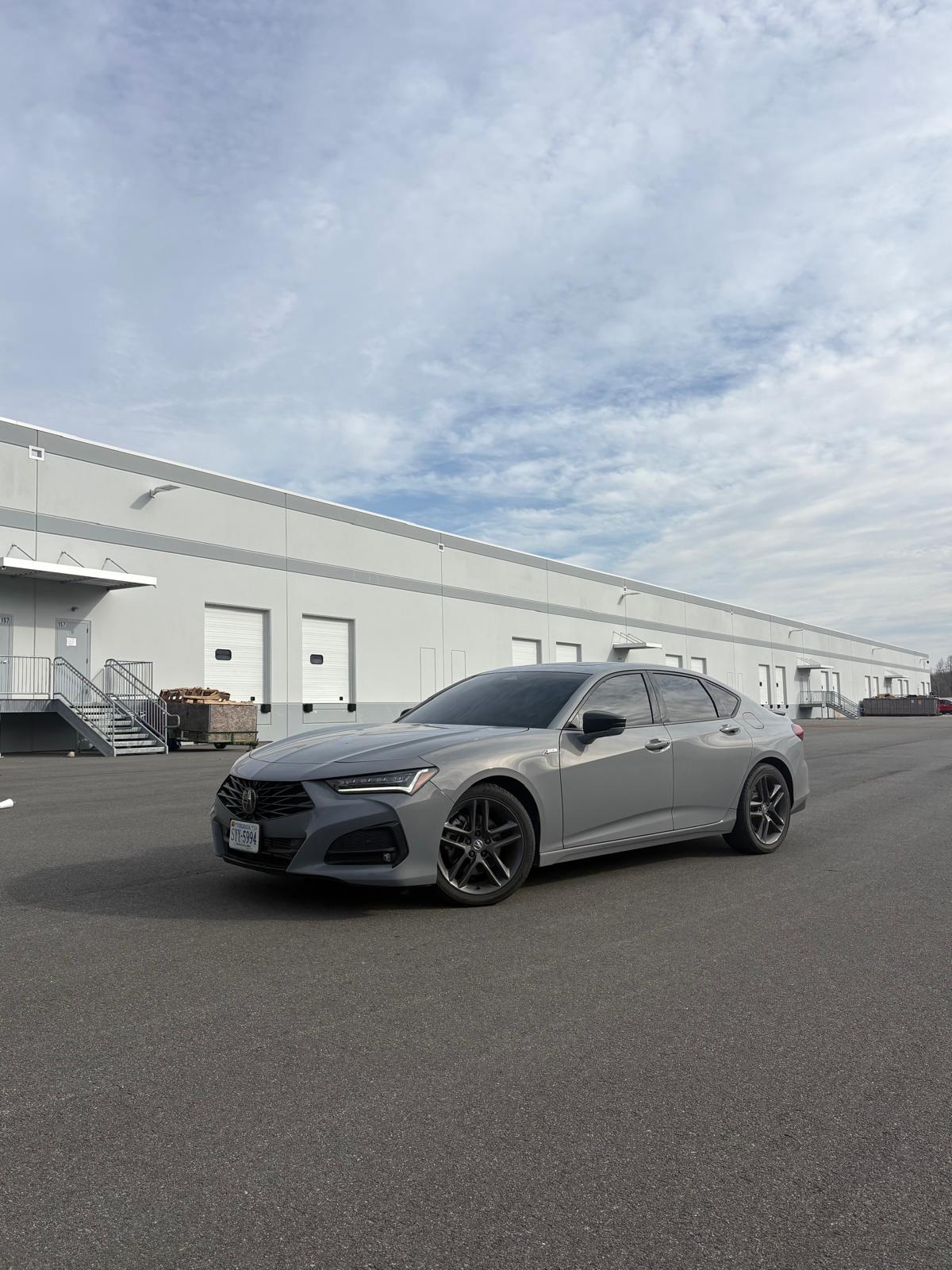
What Changes in the Car Once the Film Is On
The numbers below are what we see on customer cars in Charlotte, measured with a heat lamp meter at the shop and by owners with a dash thermometer. They are typical, not guarantees; a white car with cloth seats and a black car with black leather start from different places.
- Peak cabin temperature: 15 to 25 degrees lower after a full day outside with ceramic film all around and a windshield strip. With a clear ceramic film across the whole windshield, closer to 25 to 30, because the windshield is the largest piece of glass on the car and faces the sun for the longest part of the day.
- Touch surfaces: the steering wheel, shifter and seat belt buckle are where drivers notice the change first. Infrared is what heats the black plastic; block it and those parts stay handleable.
- Cool-down time: the air conditioning has less heat to remove and less heat coming back in through the glass while it works, so the cabin is comfortable in three to five minutes instead of ten to fifteen. On an electric car that is battery you keep; Tesla window tint customers report a small but real range gain in summer because the climate system works less.
- Driving heat: on the I-485 loop at 5:30, the sun on the left side of the car is what warms the driver’s arm and face. A 35% ceramic film on the door glass takes most of that away without darkening the view.
Darkness adds a little to all of this, because darker film absorbs a little more of the visible light, but the difference between 35% and 20% ceramic is small compared to the difference between dyed and ceramic at the same shade. Pick the shade for the look and for North Carolina tint law, which allows 35% on every window behind the windshield for cars and darker rear glass on SUVs, trucks and vans. Then pick the film for the heat.
Which Film Is Worth It for a Car That Lives Outside
The honest answer depends on where the car sits. A car that is garaged at home and parks in a deck at work does not gain much from the premium film. A car that spends its days in a surface lot in Uptown, on the street in NoDa or outside an office in Ballantyne gains a lot. That is the whole carbon vs ceramic window tint decision in one sentence: carbon is the value pick for a garaged car, ceramic is the pick for a car that sits in the sun.
Three things that move the result more than the shade
- The windshield. It is the biggest window and it faces the sun at the hottest hours. A non-reflective strip above the AS-1 line is legal in North Carolina and helps with glare. A clear ceramic film across the whole windshield is also legal, keeps the view untouched and is the single largest heat improvement available. Both are on the windshield tint menu.
- The roof. Panoramic glass roofs pour heat onto the front seats. Most owners keep the shade closed all summer. A ceramic layer on the roof glass fixes that and is a common add-on on the newer SUVs and EVs we see.
- Film quality. Ceramic is a category, not a brand, and the infrared numbers inside the category range from about 50% to over 90%. Ask for the infrared rejection number, not just the shade. The lifetime warranty against bubbling, peeling and fading matters too, because a film that turns purple in year three is not rejecting anything.
On cost, ceramic runs more than carbon on the same car, and the gap is smaller than most people expect once the windshield is included in both quotes. Window tint cost in Charlotte lists each package, and window tint financing is available if you would rather split a full ceramic job on a large vehicle. If you are tinting a new car, doing it in the first week means the interior gets UV protection from day one, and the appointment is faster because there is no old film to strip. Deciding how dark to go is a separate question, and which tint percentage to choose covers how each shade looks from inside and outside the car.
We install at 2725 Westinghouse Blvd, Suite 300, off I-485 on the southwest side of Charlotte. Drivers searching for window tint near Steele Creek are five minutes out, window tint near Ballantyne is about 15 minutes up I-485, and window tint near SouthPark is about 20 minutes by way of Tyvola Rd and I-77. Book through the Google offer below and 25% comes off the package.
Quick Answers on Tint and Heat
How much cooler does window tint make a car in Charlotte?
With ceramic film on all the side and rear glass plus a windshield strip, the cabin peaks about 15 to 25 degrees lower after a day parked outside. Add a clear ceramic film across the whole windshield and the drop is closer to 25 to 30. Dyed film at the same shade gives a fraction of that.
Does darker tint block more heat?
Only slightly. The shade number describes visible light, and heat is mostly infrared. A 35% ceramic film blocks far more heat than a 5% dyed film. Choose the shade for the look and the law, and choose ceramic for the heat.
My SUV already has dark rear windows. Do I still need tint for heat?
Yes. Factory privacy glass blocks light, not infrared heat, so the back of the SUV gets as hot as a car with clear glass. A light ceramic film over the factory glass, plus ceramic on the clear front doors, is what actually lowers the temperature.
Is tinting the windshield legal in North Carolina?
A non-reflective strip above the AS-1 line is legal, and so is a clear or very light ceramic film across the whole windshield, as long as it stays within the state’s light-transmission rule. Reflective or mirror films are not allowed on any window.
Is ceramic tint worth the extra cost for a garaged car?
Usually not. If the car is garaged at home and parked in a deck at work, carbon film gives the same look, the same UV protection and the same lifetime warranty for less. Ceramic pays off when the car sits in the sun during the day.
Get An Instant Quote Or Schedule Service:


Call Now For Your FREE Quote
(980) 480-8820.
Frequently Asked Questions
What is the best type of window tint?
That depends on your goals. Ceramic offers the highest overall performance, carbon provides an excellent balance of value and durability, and hybrid is an affordable solution for everyday driving.
Do you offer same-day window tint?
Yes. Same-day appointments are available based on our schedule.
Does your window tint include a warranty?
Yes. Our premium window films are backed by a nationwide lifetime warranty.
Can I finance my window tint installation?
Yes. Ask our team about available Window Tint Financing in Charlotte, NC options.
Our Contact Information:
- 2725 Westinghouse Blvd #300 Charlotte, NC 28273
- Monday - Saturday 8AM - 6:00PM
- Sunday - Closed
- (980) 480-8820
- support@botcharlotte.com